The complex nature of our nation’s turbulent economy has impacted all
Nigerians and leaves many feeling confused and anxious. The good news
is that no matter how uncertain things may be, the basic fundamentals of
personal financial management still apply, so do stay focused on this.
Have you made your New Year Resolutions? Did you include any
financial ones? All major life events such as getting married, having a
baby, educating children, losing a job, getting divorced, buying a home,
losing a loved one, planning for your retirement and your estate, come
with financial consequences that must be prepared for. Here are 16
resolutions to consider for 2016. Don’t try to tackle them all at once.
Select just three or four to bring you closer to financial security.
- Organize your documents: We all have some particularly important personal documents such as
passports, birth certificates, title documents, educational
certificates, your marriage license and so on; scan these documents and
save them electronically as well as in your household files. It is
important to protect he original documents from the risk of fire, flood
or other disasters; store them securely in a fireproof safe or with your
bank if it offers such a service. You don’t need to go overboard in
trying to create Fort Knox at home, but at the same time you should
avoid having sensitive documents lying around in cardboard boxes at the
bottom of your wardrobe.
- Establish a budget: Living as though nothing has changed during challenging times can
make a bad situation worse; changing your spending habits must be a
priority. Budgeting is one of the most important tools for financial
security; a good budget will help you to plan for, and monitor your
expenses so you can identify where to cut back if necessary. Where does
your money go? Can you cut back a little?
- Build and emergency fund: An emergency fund is a must-have particularly during times of
financial challenge. Build a fund with at least six months’ worth of
your expenses in an accessible, interest bearing account. If you are
suddenly faced with unemployment, medical expenses, or other unexpected
events, you will have this financial cushion to fall back on. If you
cant manage 6 months, focus on 3 months. The key is to have something
set aside.
- Automate your savings: Can you set aside a minimum of ten per cent of your monthly income
for savings. One of the most effective ways to increase savings is to
automate the process by having the funds deducted via a direct debit
into a savings, money market or mutual fund account. Remember to
automate your regular bill payments as well so that you are always up to
date.
- Reduce your debt: Getting out of debt or at least reducing it is another key step to
taking control of your finances. List all your debt, and prioritize by
focusing on the debt with the highest interest rates first. Are you one
of that has borrowed from your family and friends and then starts to
avoid them by ignoring their calls their calls and reminders? You need
friends and family during difficult times so don’t damage relationships.
If your debt has become overwhelming, contact your lenders to discuss
the possibility of coming up with more palatable repayment arrangements.
- Invest for the future: If you have some savings and your debt is under control, consider
investing for the long term in the stock-market either directly or
through mutual funds. Many stocks are currently selling well their true
value so it is a good time to take advantage of such discounts. Bear in
mind however, that stock market investments, whilst they have provided
higher returns over the long term than other assets, come with greater risk. Seek professional advice to build a diversified portfolio that
spreads your investments across the various asset classes including
cash, bonds, mutual funds, stocks and real estate to mitigate some of
the risk. Mutual Funds offer a professionally managed, diversified
portfolio and you can invest with sums as little as N10,000.
- Invest in Yourself: You are your greatest asset. Whether you are unemployed, in full or
part-time employment, or running your own business, it is essential that
you continue to develop yourself. Constantly seek additional training
and knowledge through seminars, conferences in various areas of interest
or more formal courses as appropriate; there is so much that you can
achieve with commitment and discipline. Identify, develop and leverage
on your talents and skills; those things that you are passionate about
and can naturally excel at; they may well become a significant earner.

- Learn about money matters: There is no excuse for being totally ignorant about your finances
with the plethora of information around you both in print, on line,
television, radio and through workshops. Seek guidance from an
experienced, qualified professional, but remember that ultimately, you
are responsible for your finances. If you do not already discuss
financial matters with your partner or spouse try to include this in
your relationship. Children too should be introduced to the basic
principles through pocket money, holiday jobs, from their earliest
years.
- Improve your Health: There is a very direct connection between your physical and your
financial health. Indeed in the US the leading cause of bankruptcy is
attributed to medical bills and other health care costs. One wonders
what the statistics here would reveal. A heather lifestyle means fewer
medical expenses and will give you brighter prospects in all aspects of
your life. Do you need to lose weight, eat healthily, or exercise more
regularly? Make your health a priority and take concrete steps to
improve it.
- Put health insurance in place: If you or a close member of your family fall sick, will you have to
pay out cash for expensive medical treatment, or do you have insurance
in place. Even if your employer does not provide this for you, try to
get some medical and dental cover for your family. One serious illness
can wipe out your savings. You should have adequate insurance cover for
your health and for your life, particularly if you are your family’s
primary breadwinner.
- Protect your assets with insurance: Is your property including your car and home insured? Things happen;
you cannot afford to be careless. With a small premium each year you can
reduce the risk of loss from fire, flood, burglary and other mishaps.
- Maintain your assets: Don’t wait until a strange noise from your engine becomes so bad that
the engine needs replacing. Regular maintenance of your assets will
help identify any festering problems before they become critical and
require expensive repairs. Treat your car, your home and other expensive
assets with care so you can enjoy them for a long time.
- Protect your finances from fraudsters: Cyber crime is real and we are all very vulnerable particularly as we
navigate the internet and social media. From shredding sensitive
documents to changing passwords regularly and protecting your PIN
numbers, there are deliberate steps to take to reduce the risk of your
being targeted. Put these in place.
- Plan for your retirement: Most Nigerians do not have enough money saved by the time they face
retirement. Your retirement income will have to come from money you set
aside and invest when you are young and through out your working life.
Even though the future seems so far away now, if you save and invest
when you are young, you have an opportunity to build significant wealth.
- Put an estate plan in place: No one wants to think about death at the start of a
new year, but you owe it to your family to put something in place
should something untoward happen to you. Meet with a lawyer who will put
you through what is a relatively simple process. If you already have a
will, review and update it to make it is still relevant to your
circumstances. If you have acquired or sold any assets or you have new
beneficiaries then this must reflect in your estate plan.
- Build philanthropy into your plans: In spite of how difficult things might be for you, there are always
people worse off. Philanthropy is a powerful and effective way to change
lives. Determine your area of interest and identify ways in which you
can make a positive impact.
As you face this New Year, it is important to note that the most
important things in life have little to do with money. Remember to
count your blessings in 2016. May God grant you good health, happiness,
and peace this year and beyond.
Happy New Year!
---------------------------------------------------------------------------------------------------------------------------
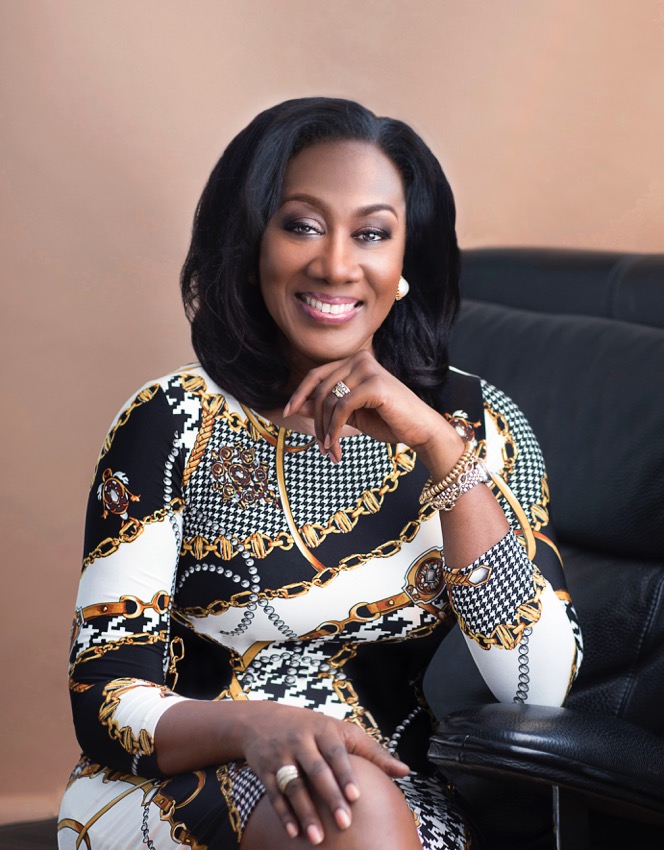
 This article was written by WIMBIZ Associate, Nimi Akinkugbe. She has extensive experience in private wealth
management and seeks to empower people regarding their finances and
offers frank, practical insights to create a greater awareness and
understanding of personal finance.
This article was written by WIMBIZ Associate, Nimi Akinkugbe. She has extensive experience in private wealth
management and seeks to empower people regarding their finances and
offers frank, practical insights to create a greater awareness and
understanding of personal finance.
For more personal finance tips, follow Nimi on Social media
Twitter: @MMWITHNIMI
Instagram: @MMWITHNIMI
Facebook: MoneyMatterswithNimi